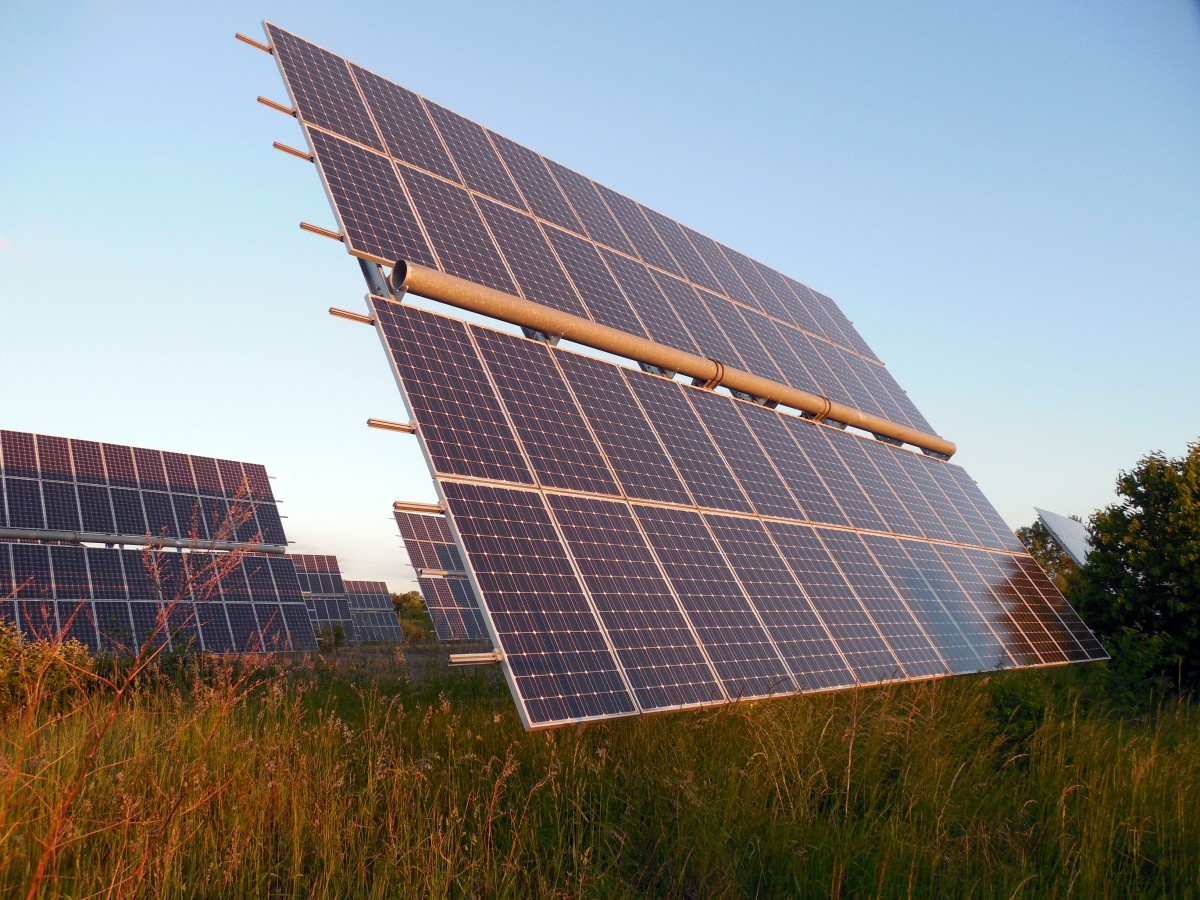
Imagine a world where your backyard provides not only aesthetic charm but also contributes to environmental sustainability. Solar garden lights are paving the way for this reality, offering an eco-friendly and cost-effective solution to outdoor lighting. But what trends and innovations will shape the market in 2026?
Market Trends and Industry Insights
The solar garden lights market has witnessed exponential growth, driven by advancements in solar panel technology and increasing consumer demand for sustainable solutions. According to a 2024 report by Grand View Research, the global solar lighting market is projected to reach $10.8 billion by 2026, growing at a CAGR of 15.6%. In particular, outdoor solar lights, including pathway and garden varieties, are expected to account for a significant portion of this growth.
Another study by Statista reveals that over 60% of homeowners prioritize energy efficiency when upgrading their outdoor spaces, a trend that aligns perfectly with solar lighting solutions. The integration of LED technology, coupled with smart lighting systems, further enhances the appeal of solar garden lights, offering both convenience and customization.
Innovations and Expert Insights
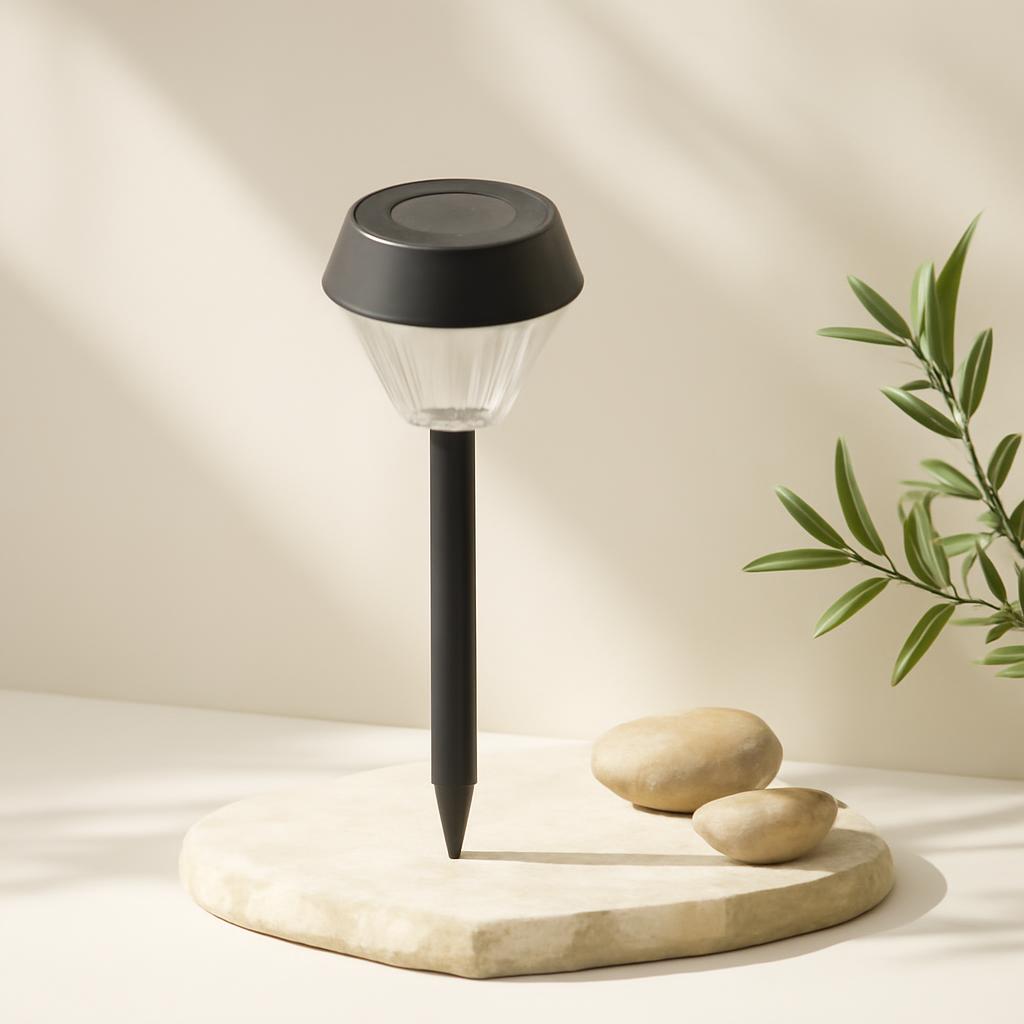
Experts in the lighting industry emphasize the importance of durability and efficiency in solar garden lights. “Modern solar lights are designed to last longer and provide consistent illumination, even in challenging weather conditions,” says Dr. Karen Liu, a renewable energy specialist. Innovations like monocrystalline solar panels and lithium-ion battery storage are setting new benchmarks for performance and reliability.
Statistics from McKinsey indicate that 40% of new consumers prefer solar lights with smart features, such as motion sensors and app connectivity. These features are particularly appealing for businesses looking to enhance security while reducing energy costs.
Industry Standards and Best Practices
Compliance with industry standards ensures that solar garden lights perform as expected. High-quality products often meet certifications like ISO 9001 for quality management and ISO 14001 for environmental management. For instance, 7STAR, a leading manufacturer in the solar lighting industry, adheres to GMP (Good Manufacturing Practice) and offers FDA-registered products, ensuring both quality and sustainability.
When selecting solar garden lights, look for features like IP65 waterproof ratings, which guarantee durability in outdoor conditions, and integrated dusk-to-dawn sensors for automatic operation. These standards not only enhance product reliability but also contribute to long-term cost savings.
Practical Implementation and Success Metrics
Businesses and homeowners alike can benefit from solar lighting installations. For example, a landscaping company in California reported a 30% increase in customer satisfaction after incorporating decorative solar garden lights into their designs. The company also reduced its energy costs by 25% within six months.
To measure success, track metrics such as energy savings, reduced maintenance costs, and customer feedback on aesthetics and functionality. Partnering with experienced manufacturers like 7STAR, which offers factory-direct pricing and low MOQs starting at 500 units, can streamline the implementation process.
Future Outlook and Strategic Recommendations
As we look toward 2026, the solar garden lights industry is poised for continued innovation. Market projections suggest a shift toward personalized lighting solutions, such as color-changing LEDs and modular designs. Businesses should focus on providing products that cater to these evolving consumer preferences.
For companies ready to capitalize on this growth, partnering with industry leaders like 7STAR ensures access to cutting-edge technology and proven formulations. With FDA, CPNP, and GMP certifications, 7STAR’s offerings are designed to meet the highest standards of quality and sustainability.
Frequently Asked Questions
What are the best solar lights for a garden?
The best solar lights for a garden combine aesthetics, functionality, and durability. Look for models with high-quality LED bulbs, IP65 waterproof ratings, and integrated motion sensors. According to industry data, decorative solar garden lights are particularly popular for creating ambiance while reducing energy consumption.
Why do solar lights fail so quickly?
Solar lights can fail prematurely due to poor-quality components, inadequate battery capacity, or exposure to extreme weather. To avoid this, invest in lights with monocrystalline panels and lithium-ion batteries. Regular maintenance, such as cleaning panels and checking connections, can also extend their lifespan.
Do solar-powered garden lights really work?
Yes, solar-powered garden lights are highly effective when installed correctly. They harness sunlight during the day to provide illumination at night, offering a cost-effective and eco-friendly solution. Advances in solar panel efficiency and battery technology have further improved their reliability.
What is the cheapest way to light up a backyard?
Solar garden lights are among the most affordable options for backyard lighting. They eliminate the need for electrical wiring and reduce energy costs. For budget-friendly choices, consider wireless models available on platforms like Amazon, or explore clearance sales for discounted options.
Who makes the best solar garden lights?
Leading manufacturers like 7STAR offer high-quality solar garden lights with advanced features. With over 5000 proven formulations and certifications like ISO 22716, 7STAR ensures durability, efficiency, and aesthetic appeal.
What are the benefits of LED solar lights for outdoor use?
LED solar lights provide bright, energy-efficient illumination and have a longer lifespan compared to traditional bulbs. Their integration with solar technology ensures cost savings and environmental benefits. Businesses looking to enhance outdoor spaces can achieve factory-direct pricing by partnering with manufacturers like 7STAR.
发表回复